
Website Optimization: What It Is and Why It Matters
Optimizing a website is a crucial process for improving search ranking like Google, Bing, and others. The main goal is to improve the site's ranking in search results, which increases organic traffic and brings more visitors.
This is not a one-time process but requires continuous monitoring of results, adjusting strategies, and testing new solutions that deliver positive outcomes.
Enhancement involves various techniques aimed at improving visibility, including keyword research, on-page element refinement, building quality backlinks, and technical structuring that ensures the project becomes relevant for specific searches and attracts targeted traffic.
In the process of enhancing quality and technical performance, relevant content and carefully selected keywords play a key role. However, improvements are not limited to these aspects ‐ it is necessary to continuously monitor results, analyze competitors, and personalize methods according to changes.
Improving effectiveness requires time and effort, but long-term results are important, as organic traffic grows without paid ads, gradually bringing stable growth, which is key for long-term competitive advantage.
Website adjustments focus on both search engines and UX, ensuring intuitive navigation and fast access to information.
We professionally optimize all types of websites, tailored to different business needs!
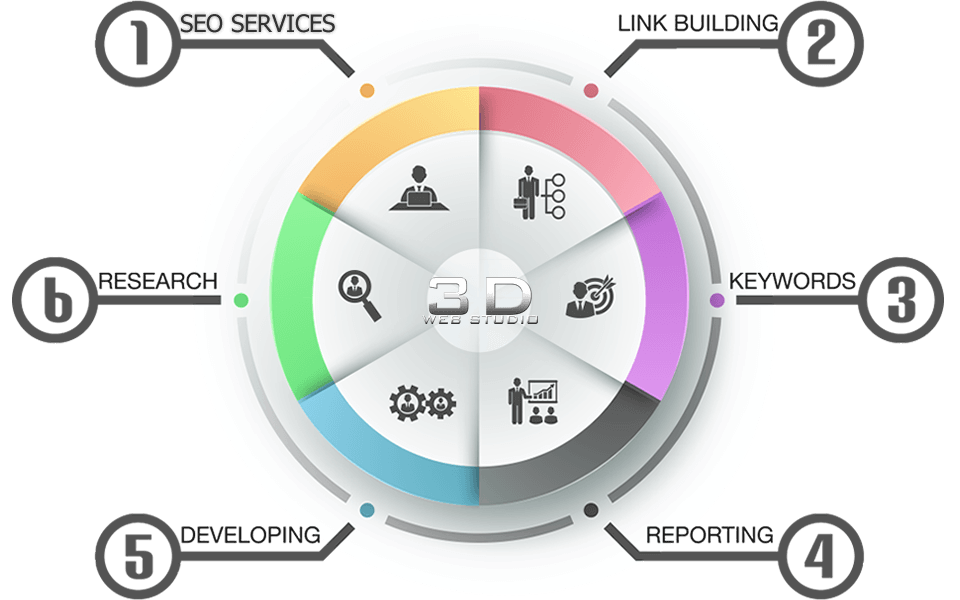
Several key areas form the foundation of every optimization, such as the quality of information and the technical functionality of the project.
These areas require personalized techniques based on specific needs, as search engines regularly update their algorithms — significantly affecting rankings.
Structural adjustments are not just a static process — continuous tweaks and testing ensure that a website remains competitive.
Online Presence Strategy
Creating an effective strategy to increase online presence requires a thorough analysis of needs and trends. Strategic planning begins with researching target keywords that your audience most frequently uses, as properly selected keywords improve rankings and directly audience engagement.
Producing relevant, high-quality content that meets user needs gradually builds your platform's authority.
A strategy must be flexible and continuously adapted to respond to changes in search engine algorithms. It should be regularly updated, with structural and technical optimizations to improve page load speed and enhance user experience. SEO is a continuous process requiring monitoring, strategic adjustments, and ongoing refinement for long-term results.
Through regular performance monitoring using analytical tools, you can identify which strategies yield the best results and adjust them according to your goals.
Website Structure & Content Optimization
Enhancing the overall HTML structure and content is crucial for better search engine rankings
Structural improvements play a key role in the development process, where a well-organized structure simplifies navigation, enables faster page loading, and helps search engines efficiently index information. Using proper meta tags (such as H1, H2, etc.) and logically grouping data on the page assists both users and indexing systems in finding the necessary information more easily.
Textual content should be clearly written, relevant, and informative.
Incorporating relevant terms throughout the material must be done naturally, without overuse, to avoid excessive emphasis on a single keyword.
Achieving a successful process requires a continuous balance — too much or too little optimization can significantly impact search engine rankings for web development.
Technical Improvements
Technical improvements and site efficiency gains are key factors, as page responsiveness directly impacts user experience.
A page should not take too long to load content — it is essential to compress images and files, as well as implement caching, since these factors significantly accelerate element rendering.
Technical adjustments include reducing the number of HTTP requests, minimizing CSS and JavaScript files, and using a CDN to distribute resources globally.
Proper configuration of the hosting cPanel and .htaccess file is also crucial, as it directly affects speed, security, and overall site functionality. Correctly setting up these elements contributes to more efficient server resource management, faster page loading, and the implementation of important rules for redirects and caching, which can greatly reduce server load.
By applying these techniques alongside continuous monitoring and improved site performance, we ensure better positioning and a more effective user experience.

Tools and Metrics for Tracking Results
Monitoring ranking results is essential for analyzing the effectiveness of your strategy and adjusting future steps to achieve continuous improvement.
Using analytical tools such as Google Analytics and Google Search Console enables detailed analysis of visits, user interactions, and organic traffic.
These tools provide insights into the performance of important keywords, traffic sources, and visitor behavior, allowing you to identify content that attracts the most attention and stay as is (already clear). Additionally, competitor analysis allows monitoring your position relative to other websites with similar offerings.
Data Analysis
Data analysis forms the foundation for making strategic decisions. Without a proper understanding of these insights, it is difficult to accurately shape and adapt your strategy.
Regular testing and adjustments based on analysis contribute to structural optimization and promote continuous growth and business improvement.
The Role of User Experience (UX)
Enhancing UX improves Google rankings through intuitive navigation and fast-loading pages.
High-quality graphic design is easy to implement and visualize in WordPress, while easily accessible information and an intuitive user interface encourage visitors to stay longer on the site, positively affecting rankings.
E-A-T (Expertise, Authoritativeness, Trustworthiness) are key ranking factors on Google. Search algorithms value websites that demonstrate a high level of expertise in a specific field, possess authority, and provide users with reliable, verified information.
By focusing on creating high-quality, research-based, and evidence-backed content that relies on relevant sources and expert data, you significantly increase your chances of better positioning on the SERP (Search Engine Results Page) and building long-term trust with users.
How to Optimize Your Site?
Steps for Effective Optimization
- Keyword Analysis
- Competitor Research
- Improving Page Load Speed
- Search Optimization
- Creating an XML Sitemap
- Integrating Keywords in Content
- Improving Meta Tags
- Internal Linking
- Acquiring Backlinks
- Analysis via Google Analytics
- Regular Strategy Adjustments
For a more detailed overview of our services, check the listed pricing
Pricing
OptimizationBasic
150euroStarter Package
- Simple Website
- Responsive Design for All Devices
- Google Analytics Integration
- Fast Page Loading
Advanced
350euroCommercial Package
- HTML & PHP Website
- Advanced SEO Optimization
- Online Sales Integration
- Search-Friendly Structure
- Local Marketing Features
Expert
On Request (From 900euro) Premium
- Complex Web Applications
- Advanced Analytics and Reports
- Support for Global Market Platforms
- Development of Interactive Content
- User-Targeted Marketing Campaigns
Redefining Success Metrics in the Digital Age
Traditional SEO has long been based on the assumption that traffic is the primary measure of success. The logic was simple: publishing additional material increased indexed keywords and attracted more clicks, which consequently resulted in more visitors and more potential clients.
However, this way of thinking no longer reflects the reality of the modern digital landscape, where "click-free" marketing is becoming increasingly common. Today, users often get answers directly in search results without needing to visit a website. Therefore, it is crucial to align your SEO strategy and success metrics with specific business goals, rather than focusing solely on traffic volume.
Organic click-through rates may decline, as well as the total number of visits, but this does not necessarily mean a loss of value. On the contrary — focusing on higher conversion rates, qualified leads, and real business opportunities brings long-term benefits.
In other words, value is created by precisely answering the specific questions of your audience, as this is the key to building trust and generating relevant connections.
Top SEO Results
Website Enhancement Agency, Belgrade